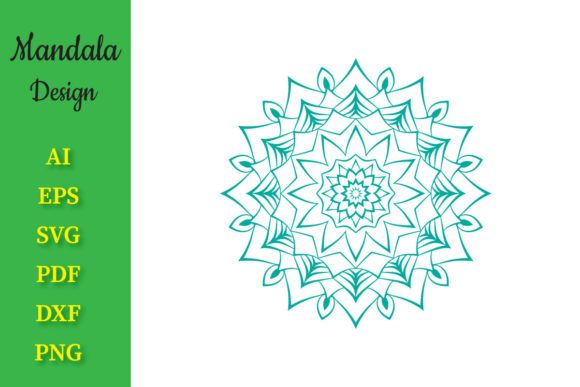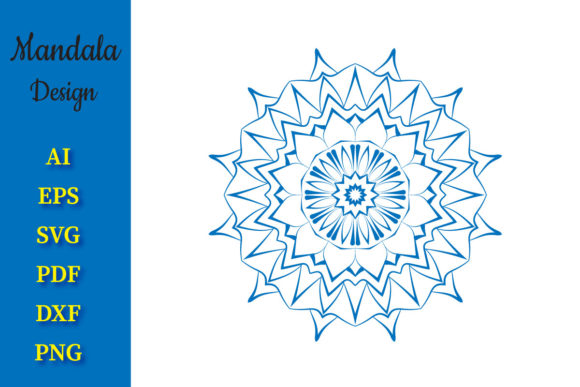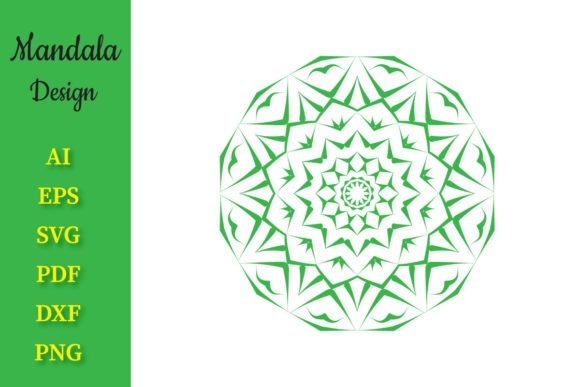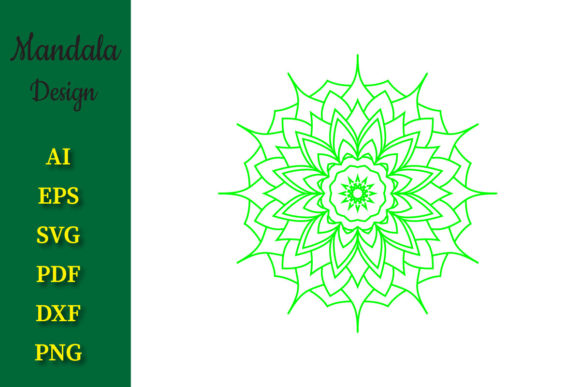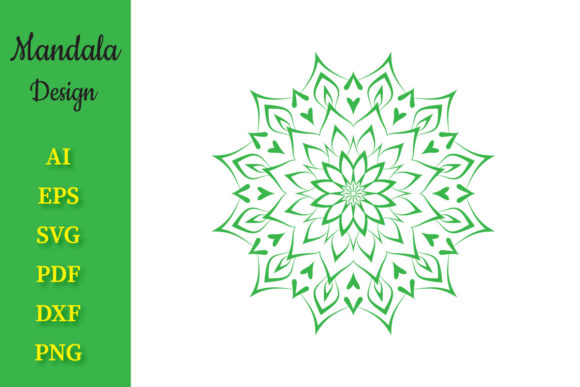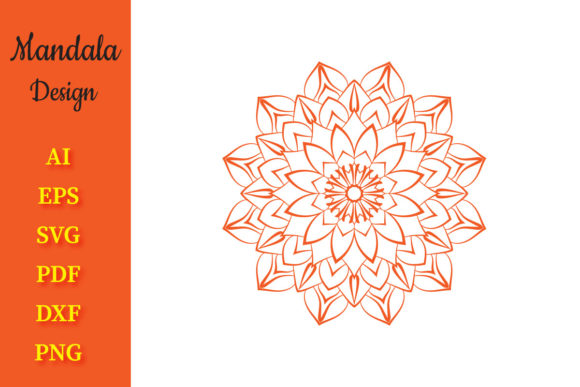
Mandala Design for Patterns Vol.50: A Comprehensive Resource for Creative Projects
Mandala Design for Patterns Vol.50 offers a rich collection of intricate and versatile mandala designs suitable for a wide range of creative applications. This resource is particularly valuable for designers, artists, and creators looking for high-quality, print-ready assets that can be adapted to various projects. The collection includes 100 unique patterns, each designed with attention to detail and cultural inspiration, making it a compelling option for those seeking both aesthetic appeal and functional utility.
What Makes Mandala Design for Patterns Vol.50 Distinct?
Mandala Design for Patterns Vol.50 stands out due to its diverse range of styles and formats. Unlike many generic pattern collections, this set incorporates traditional mandala elements while also offering modern interpretations. Each design is crafted to maintain clarity and visual impact across different scales and mediums. This versatility ensures that the patterns remain effective whether used in digital illustrations, textile designs, or printed materials.
The file formats included are another key feature. Users receive files in Adobe Illustrator (AI and EPS), High-Quality PNG, SVG, DXF, and PDF. This variety supports multiple use cases, from vector-based editing in graphic design software to raster-based applications in photo editing tools. The availability of these formats makes Mandala Design for Patterns Vol.50 adaptable to different workflows and project requirements.
Comparing Mandala Design for Patterns Vol.50 with Similar Options
When evaluating mandala design resources, it’s important to consider how Mandala Design for Patterns Vol.50 compares with other available options. Many online marketplaces offer similar collections, but they often lack the depth and diversity found in this volume. While some resources may provide a larger number of patterns, they may not always include the same level of detail or format flexibility.
For example, some free or low-cost pattern libraries might offer only basic vector files or limited resolution images. These can be less useful for professional or commercial projects where high-quality outputs are essential. In contrast, Mandala Design for Patterns Vol.50 ensures that users have access to premium-quality assets that meet industry standards.
Additionally, the inclusion of multiple file types provides an advantage over single-format resources. This allows users to work seamlessly across different platforms and software, reducing the need for additional conversions or edits. For professionals who rely on specific tools, this level of compatibility can save time and improve workflow efficiency.
Strengths and Tradeoffs of Mandala Design for Patterns Vol.50
The strengths of Mandala Design for Patterns Vol.50 lie in its quality, variety, and adaptability. The collection is well-suited for designers who require a reliable source of mandala-inspired patterns for both personal and commercial use. Its high-resolution PNGs and scalable vector files make it ideal for projects that demand precision and clarity, such as branding, packaging, or fabric design.
However, there are tradeoffs to consider. The price point of Mandala Design for Patterns Vol.50 may be higher than some alternatives, especially for those working within tight budgets. Additionally, the complexity of the designs may require more advanced skills to customize effectively. Users who are unfamiliar with graphic design software might find the vector files challenging to manipulate without prior experience.
Another consideration is the niche nature of mandala designs. While these patterns have a strong aesthetic appeal, they may not be suitable for every project. For instance, a minimalist or modern design project might benefit more from simpler geometric patterns rather than the intricate details found in mandalas. Understanding the context of the project is essential when deciding whether Mandala Design for Patterns Vol.50 is the right fit.
Best-Fit Situations for Mandala Design for Patterns Vol.50
Mandala Design for Patterns Vol.50 is particularly well-suited for projects that emphasize cultural or spiritual themes. Its intricate designs can add depth and meaning to products such as jewelry, home decor, or meditation tools. For example, a designer creating a line of handmade greeting cards could use these patterns to evoke a sense of harmony and balance.
It is also a strong choice for textile and fabric design. The scalability of the vector files allows for seamless integration into clothing, upholstery, or accessory designs. The high-quality PNGs ensure that the patterns look sharp and clear when printed on fabric or paper. This makes Mandala Design for Patterns Vol.50 a practical resource for independent designers and small businesses looking to create unique, visually appealing products.
Additionally, the collection is ideal for educational or artistic purposes. Art students, crafters, and hobbyists can use the patterns as a source of inspiration or as a foundation for their own creations. The variety of styles encourages experimentation and exploration, allowing users to develop their own unique approaches to design.
When to Consider Alternatives
While Mandala Design for Patterns Vol.50 is a robust resource, there may be situations where alternative options are more appropriate. For instance, if a project requires a large number of simple, repetitive patterns, a different collection might be more cost-effective. Similarly, if the goal is to create a highly customized design, using a blank canvas or a more flexible toolset could be preferable.
Users who are primarily focused on digital illustration might find that some resources offer more streamlined workflows. For example, certain pattern libraries are optimized for use in specific software, which could simplify the design process. It’s important to assess the specific needs of the project before selecting a resource.
Another scenario where alternatives might be considered is when the project has a tight deadline. Some resources may offer quicker access to files or more intuitive interfaces, which could be beneficial for time-sensitive tasks. However, the quality and versatility of Mandala Design for Patterns Vol.50 often justify the time investment required to work with its files.
Realistic Examples and Practical Comparisons
To illustrate the practical value of Mandala Design for Patterns Vol.50, consider a real-world example. A small business owner looking to launch a line of eco-friendly home décor items might choose this resource for its high-quality prints and versatile file formats. The ability to scale the designs for different product sizes and materials would be a significant advantage.
In contrast, a freelance graphic designer working on a corporate branding project might opt for a more minimalist pattern library. The clean, structured designs would align better with the brand’s identity, and the simpler file formats could streamline the production process. This highlights how the choice of a pattern resource depends on the specific goals and constraints of the project.
Another example involves a teacher planning a workshop on traditional art forms. The detailed mandala designs from Vol.50 could serve as excellent teaching tools, allowing students to explore the symbolism and techniques behind these patterns. The availability of multiple file types would also enable the teacher to present the material in various formats, enhancing the learning experience.