Patterns with Silhouettes of Maple
Patterns with silhouettes of maple offer a timeless and versatile design element that can elevate any creative project. Whether you're working on fabric prints, digital art, or decorative elements, these patterns bring a natural aesthetic that resonates with many audiences. Their simplicity and elegance make them ideal for a wide range of applications, from home decor to fashion and marketing materials.
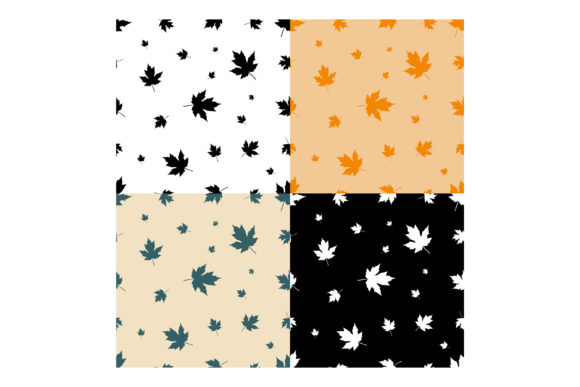
The appeal of maple silhouette patterns lies in their ability to blend organic shapes with clean lines. The contrast between the dark silhouettes and light backgrounds creates visual interest without overwhelming the viewer. This makes them especially useful for designers looking to add a subtle yet impactful touch to their work.
Understanding the Design Element
At their core, patterns with silhouettes of maple are vector-based graphics that can be scaled without losing quality. This makes them perfect for both digital and print use. The seamless nature of these patterns allows for continuous repetition, which is essential for fabric designs, wallpaper, and other large-scale applications.
Each silhouette captures the unique shape of a maple leaf, often emphasizing the intricate details that make these leaves recognizable. The variation in leaf shapes and sizes offers flexibility, enabling designers to create dynamic compositions that feel cohesive yet distinct.
These patterns are not just visually appealing—they also carry symbolic meaning. Maple trees are associated with growth, resilience, and change, making them a powerful motif for projects that aim to convey these themes.
Creative Possibilities and Applications
Designers can use patterns with silhouettes of maple in numerous ways. For example, they can serve as background textures for websites, illustrations, or packaging. In the realm of textile design, these patterns can be printed on fabrics for clothing, home decor, or accessories like scarves and bags.
One practical approach is to combine maple silhouettes with other natural elements, such as branches, birds, or abstract shapes. This creates layered compositions that add depth and complexity to the design. For instance, a wall mural featuring a repeating pattern of maple leaves could be paired with subtle geometric shapes to create a modern, nature-inspired look.
For marketers and entrepreneurs, these patterns can be used in branding and promotional materials. A coffee shop might incorporate a maple leaf pattern into its logo or menu design to evoke a sense of warmth and tradition. Similarly, a boutique could use these patterns on product tags or packaging to enhance the overall aesthetic of their brand.
Adapting for Different Goals and Audiences
The versatility of patterns with silhouettes of maple means they can be adapted to suit various goals and audiences. For a minimalist design, using a single color and simple layout can create a clean, elegant look. For a more vibrant approach, adding color gradients or mixing different leaf shapes can produce a bold and eye-catching result.
When targeting younger audiences, incorporating playful elements like oversized leaves or exaggerated shapes can make the design more engaging. For a professional setting, such as a corporate office or a high-end retail space, a more subdued and refined version of the pattern might be more appropriate.
Additionally, these patterns can be modified to fit different platforms. On social media, they can be used as profile pictures, banners, or post headers. In print, they can be applied to business cards, brochures, or signage. The key is to maintain consistency while allowing for creative expression.
Practical Tips for Using Maple Silhouette Patterns
To get the most out of patterns with silhouettes of maple, start by considering the purpose of your project. Are you creating something for personal use, commercial distribution, or artistic expression? This will help guide your choices in terms of scale, color, and placement.
When working with vector files, ensure that the pattern is seamless and properly aligned. This avoids visible gaps or distortions when the pattern is repeated. Testing the pattern at different sizes can also help identify any issues before finalizing the design.
Another tip is to experiment with layering. Overlaying the maple silhouette pattern with other textures or colors can add dimension and interest. For example, a fabric design could feature a subtle maple pattern beneath a solid color, creating a sophisticated and modern look.
Realistic Examples and Recommendations
Consider a home decor project where a set of seamless maple silhouette patterns is used to create a custom throw pillow. The pattern could be printed on a soft, neutral fabric, providing a subtle yet stylish accent to a living room or bedroom. This approach combines functionality with aesthetics, offering a practical way to incorporate the design into daily life.
For a marketing campaign, a local bakery might use a maple leaf pattern on its packaging and signage. The design could be paired with warm, earthy tones to reflect the natural and comforting qualities of the products. This not only enhances the visual appeal but also reinforces the brand’s identity.
Artists and illustrators can also benefit from these patterns. They can be used as a base for digital paintings, collages, or mixed-media works. By integrating the silhouettes into larger compositions, artists can explore new ways to express themes related to nature, memory, or transformation.
Conclusion: Embracing the Beauty of Maple Silhouettes
Patterns with silhouettes of maple offer a rich source of inspiration for creators across various fields. Their adaptability, visual appeal, and symbolic meaning make them a valuable addition to any design repertoire. Whether you're working on a small craft project or a large-scale commercial endeavor, these patterns provide a foundation for creativity that is both practical and meaningful.
By understanding the potential of these designs and experimenting with different approaches, you can unlock new possibilities for your work. Let the natural beauty of maple silhouettes guide your creative process and help you connect with your audience in a meaningful way.