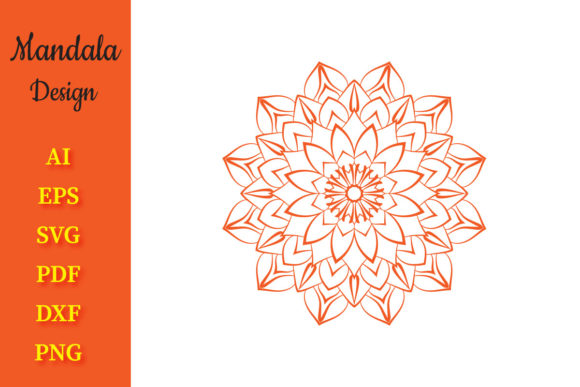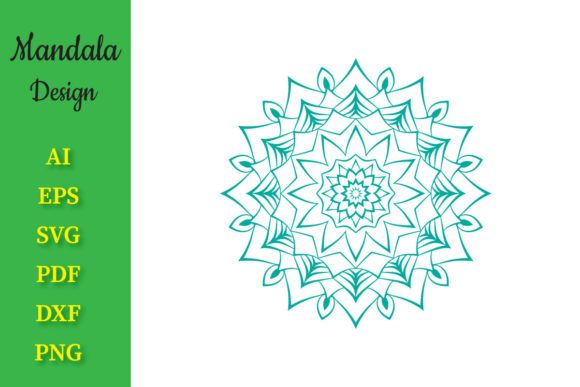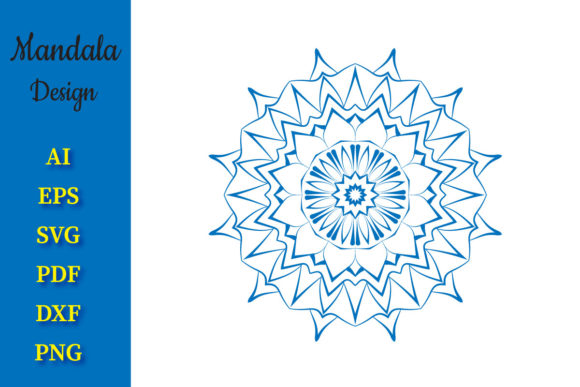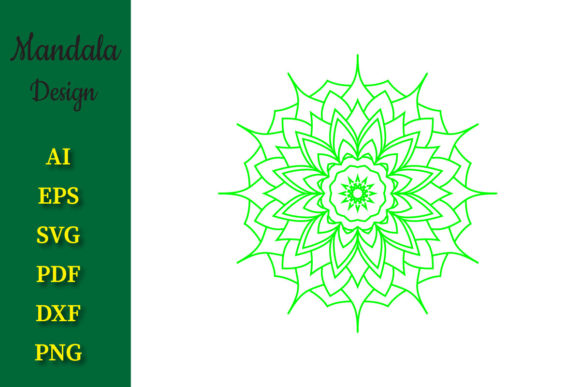
Mandala Design for Patterns Vol.23: A Comprehensive Resource for Creative Projects
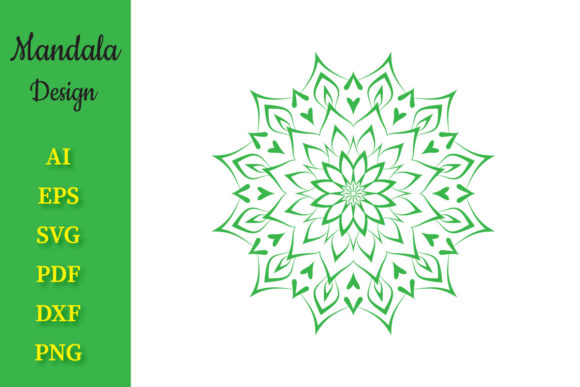
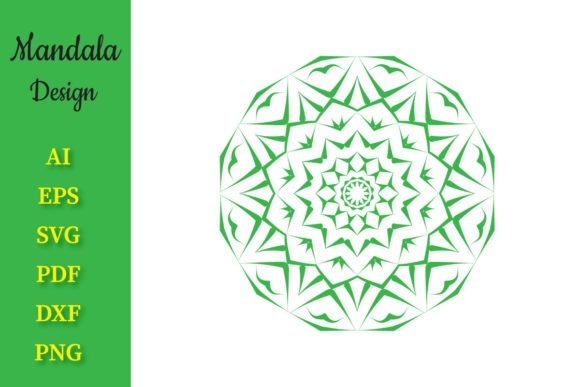
Mandala Design for Patterns Vol.23 is a collection of intricate and visually appealing mandala designs intended for use in various creative projects. This resource offers a wide range of high-quality pattern files that can be easily integrated into graphic design, textile work, digital art, and more. The collection includes 100 print-ready files available in multiple formats such as AI, EPS, PNG, SVG, DXF, and PDF, making it accessible for different design needs and software preferences.
For designers, artists, and creators looking for inspiration or ready-to-use assets, Mandala Design for Patterns Vol.23 provides a versatile solution. The mandala patterns are known for their symmetry, balance, and spiritual symbolism, which can add depth and meaning to any project. Whether used for branding, packaging, or personal artwork, these designs offer both aesthetic appeal and functional utility.
Why Consider Mandala Design for Patterns Vol.23?
There are several reasons why someone might choose Mandala Design for Patterns Vol.23 over other pattern resources. One key advantage is the variety of file formats included. Adobe Illustrator (AI) and EPS files allow for scalable vector graphics, ideal for professional printing and detailed editing. High-quality PNGs are perfect for digital use, while SVG files ensure compatibility with web-based applications. DXF and PDF options further expand the usability across different platforms and industries.
The collection’s focus on mandala patterns also appeals to those interested in cultural or symbolic design elements. Mandalas have been used for centuries in various traditions, often representing harmony, unity, and mindfulness. By incorporating these designs into modern projects, creators can connect with deeper meanings and evoke specific emotional responses from their audience.
Benefits and Considerations
One of the main benefits of Mandala Design for Patterns Vol.23 is its convenience. With 100 pre-designed patterns, users save time that would otherwise be spent creating custom designs from scratch. This is especially valuable for professionals working under tight deadlines or for hobbyists seeking quick access to quality assets.
Another benefit is the flexibility provided by the multiple file formats. Users can choose the format that best suits their workflow, whether they’re using Adobe Illustrator, Inkscape, or another design tool. This adaptability ensures that the collection remains useful across different creative environments.
However, there are some considerations to keep in mind. While the collection offers a broad range of patterns, it may not cater to highly specialized or niche design needs. For instance, users requiring extremely unique or custom mandala designs might find that the pre-made options lack the distinctiveness they seek. Additionally, the effectiveness of the patterns depends on how well they align with the overall design concept of a project.
Situations Where It Excels
Mandala Design for Patterns Vol.23 is particularly well-suited for projects that require a cohesive and meaningful visual theme. For example, businesses focusing on wellness, spirituality, or holistic practices may find the patterns ideal for branding materials, website graphics, or product packaging. The symmetry and balance of mandalas can enhance the visual appeal of these elements while reinforcing the brand’s message.
It is also beneficial for educational or artistic purposes. Teachers, students, and artists can use the patterns as references for learning about design principles, color theory, and composition. The high-resolution files allow for close examination of details, making them valuable for both practical and theoretical exploration.
When Alternatives May Be Better
While Mandala Design for Patterns Vol.23 offers many advantages, there are scenarios where alternatives might be more appropriate. For instance, if a project requires completely original designs, relying solely on a pre-made collection could limit creativity. In such cases, custom design work or a combination of pre-made and original elements may be more effective.
Additionally, users who prefer free or open-source resources might explore other options. There are numerous websites offering mandala patterns under creative commons licenses or as part of open-source design libraries. These alternatives can be cost-effective and provide a similar level of quality, depending on the specific needs of the user.
Decision-Making Insights
When evaluating Mandala Design for Patterns Vol.23, it’s important to consider the scope of the project and the specific requirements of the design work. For projects that benefit from structured, symmetrical patterns with cultural significance, this collection is a strong choice. However, for those seeking complete customization or working within a limited budget, other options may be more suitable.
Users should also assess their familiarity with the file formats provided. While AI and EPS files are widely used in professional design, those new to graphic design may need additional guidance on how to effectively use these formats. Similarly, understanding the licensing terms and usage rights is crucial to avoid potential legal issues.
Ultimately, Mandala Design for Patterns Vol.23 is a valuable resource for anyone looking to incorporate mandala-inspired designs into their work. Its diverse file formats, high-quality output, and thematic depth make it a practical option for a wide range of creative endeavors. By carefully considering the project’s goals and requirements, users can determine whether this collection aligns with their needs and enhances their creative process.