Mandala Design for Patterns Vol.28: A Comprehensive Resource for Creative Projects
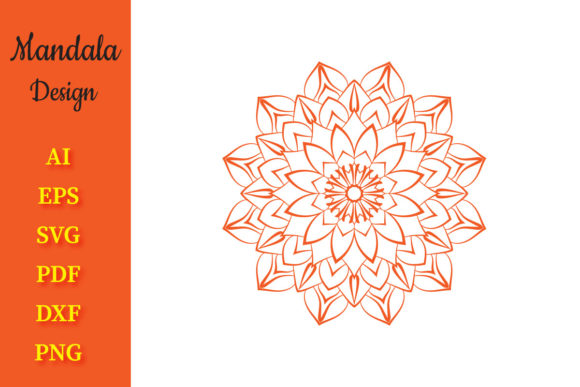
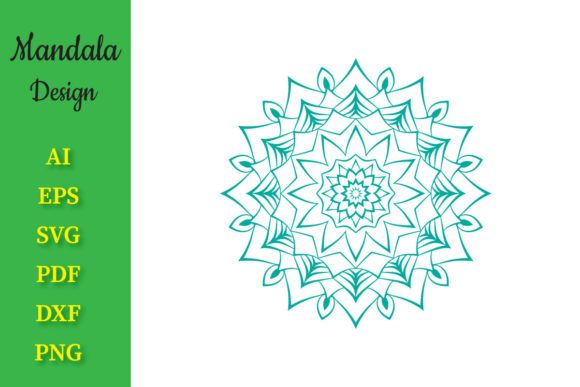
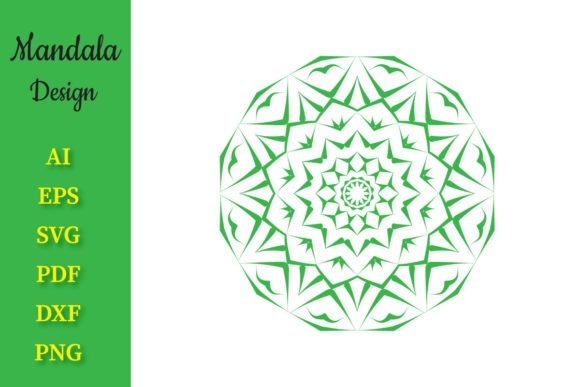
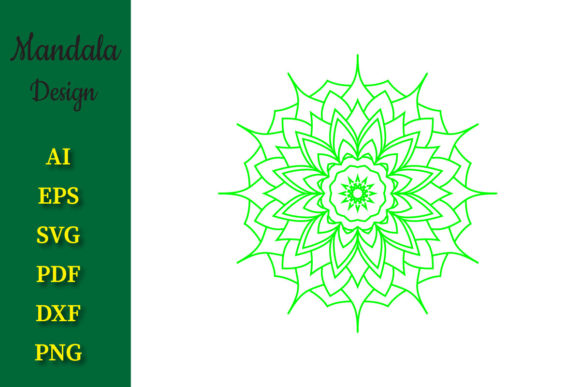
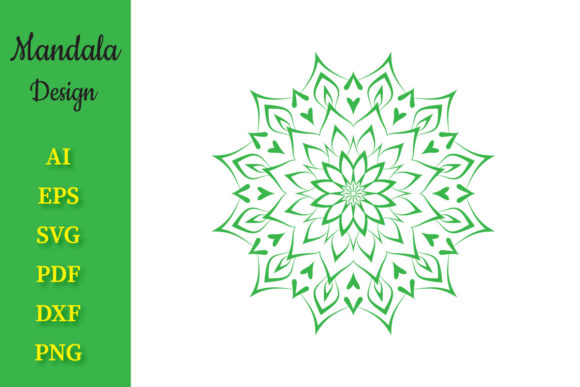
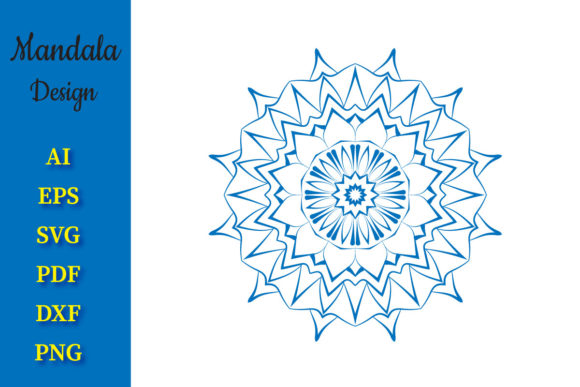
Mandala Design for Patterns Vol.28 is a collection of intricate and visually appealing mandala designs intended for use in various creative projects. This resource offers a wide range of high-quality pattern files that can be easily integrated into graphic design, textile work, digital art, and more. The collection includes print-ready files in multiple formats, making it a versatile tool for designers, artists, and creators looking to incorporate traditional patterns into modern applications.
What Is Mandala Design for Patterns Vol.28?
Mandala Design for Patterns Vol.28 is a curated set of mandala-based designs that emphasize symmetry, balance, and spiritual symbolism. These patterns are inspired by the traditional mandala concept, which has been used for centuries in meditation, art, and cultural expression. The collection expands on this idea by offering contemporary interpretations that can be adapted for different mediums and purposes.
The files included in the download are designed to meet professional standards, ensuring clarity and scalability regardless of the project size. Users gain access to a variety of file types, including Adobe Illustrator (AI and EPS), high-quality PNG, SVG, DXF, and PDF formats. This diversity allows for flexibility in how the designs are used, whether for digital illustration, print production, or vector-based editing.
Why Consider Mandala Design for Patterns Vol.28?
There are several reasons why someone might choose to explore Mandala Design for Patterns Vol.28. For designers working on projects that require intricate and detailed patterns, this collection provides a ready-made library of options. It can save time and effort compared to creating original mandala designs from scratch, especially for those who may not have advanced graphic design skills.
The resource also appeals to individuals interested in incorporating cultural or spiritual elements into their work. Mandala designs often carry symbolic meanings, and using them in creative projects can add depth and context to the final output. This makes the collection valuable for artists, educators, and anyone seeking to convey specific themes or messages through visual design.
Benefits and Tradeoffs of Using Mandala Design for Patterns Vol.28
One of the primary benefits of Mandala Design for Patterns Vol.28 is its accessibility. The availability of multiple file formats ensures compatibility with different software tools, allowing users to work within their preferred design environment. Additionally, the high-resolution PNGs and vector files provide excellent quality for both digital and print applications.
Another advantage is the time savings associated with using pre-designed patterns. Instead of spending hours creating custom mandalas, users can select from a range of options and adapt them to fit their needs. This efficiency can be particularly beneficial for professionals with tight deadlines or those managing multiple projects simultaneously.
However, there are some tradeoffs to consider. While the collection offers a broad selection of designs, it may not include highly unique or one-of-a-kind patterns. For users seeking completely original content, this could be a limitation. Additionally, the effectiveness of the resource depends on the user's ability to modify and integrate the designs into their workflow, which may require some technical knowledge.
Situations Where Mandala Design for Patterns Vol.28 Is a Strong Fit
Mandala Design for Patterns Vol.28 is well-suited for a variety of creative scenarios. It is ideal for graphic designers working on branding, packaging, or editorial layouts that benefit from intricate and symmetrical visuals. The collection can also be useful for textile artists, as the patterns can be adapted for fabric prints, quilting, or embroidery projects.
For digital artists and illustrators, the SVG and AI files offer scalable options that maintain quality at any size. This makes the resource particularly valuable for web design, app interfaces, or other digital media where resolution and clarity are important. Additionally, the PDF and EPS formats ensure that the designs can be printed with precision, making them suitable for physical products such as stationery, posters, or wall art.
When Alternatives May Be Worth Considering
While Mandala Design for Patterns Vol.28 is a strong option for many users, there may be situations where alternatives are more appropriate. For instance, if a project requires entirely original or highly customized designs, relying solely on a pre-made collection may not meet the creative vision. In such cases, commissioning custom artwork or using generative design tools could be more effective.
Users who are new to design software may also find the need to learn how to edit and manipulate vector files challenging. In these instances, alternative resources that offer simpler or more beginner-friendly tools might be more suitable. Additionally, those seeking free or open-source design assets may prefer platforms like OpenClipart or Freepik, which provide a wide range of downloadable graphics without cost.
Practical Decision-Making Insights
When evaluating whether Mandala Design for Patterns Vol.28 aligns with your goals, consider the nature of your project and the level of customization required. If you need a quick and reliable source of high-quality mandala patterns, this collection can be a valuable asset. However, if your work demands complete originality or specialized tools, you may need to explore additional options.
It is also important to assess your familiarity with design software. The availability of multiple file formats increases the collection’s usability, but the ability to edit and adapt the designs will influence how effectively they can be integrated into your workflow. For those comfortable with Adobe Illustrator or similar programs, the resource offers significant flexibility.
Ultimately, Mandala Design for Patterns Vol.28 serves as a practical solution for creatives looking to enhance their projects with elegant and meaningful patterns. By understanding its strengths and limitations, users can make informed decisions about whether it meets their specific needs and objectives.