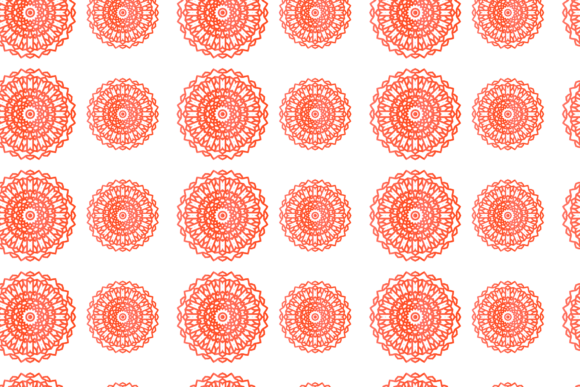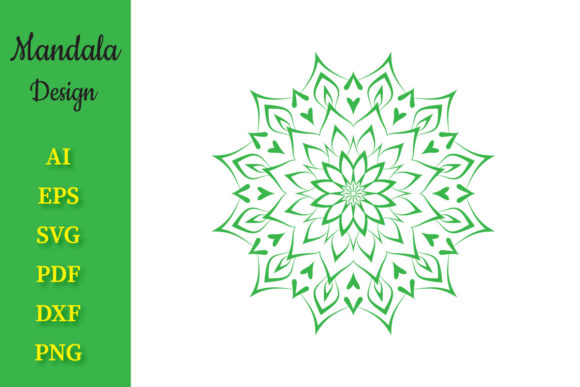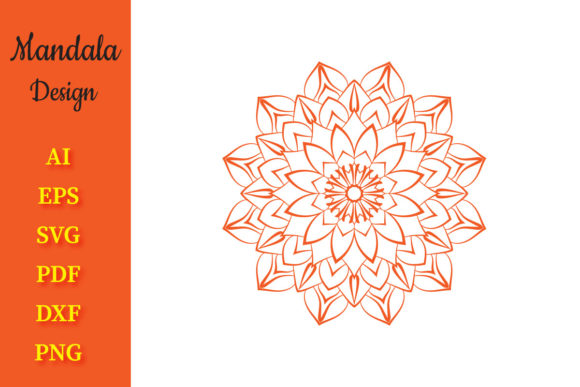
Patterns Ornament Mandala Symbol: A Versatile Design for Creative Workflows
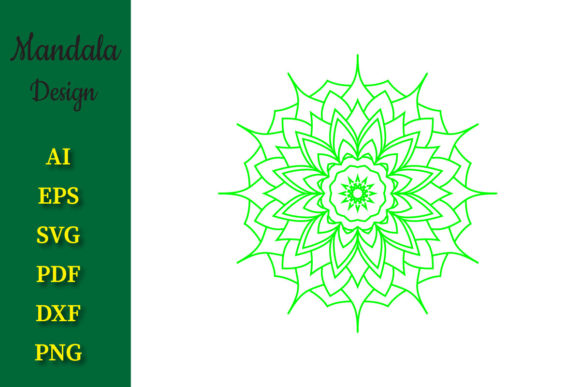
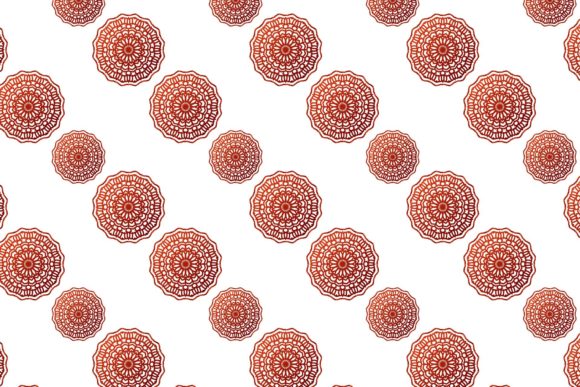
The Patterns Ornament Mandala Symbol is a visually rich and intricate design that blends traditional symbolism with modern digital application. This mandala-inspired ornament serves as a powerful tool for artists, designers, and creators looking to enhance their visual projects with meaningful and aesthetically pleasing elements. Whether used in graphic design, branding, or personal creative endeavors, the mandala symbol offers a unique way to express complexity, balance, and spiritual resonance.
As part of a broader creative process, the Patterns Ornament Mandala Symbol can be integrated at various stages—before, during, or after a project. Its adaptability makes it suitable for both conceptual planning and final execution, allowing users to explore its potential in different contexts.
Understanding the Role of Patterns Ornament Mandala Symbol in Creative Processes
The mandala symbol has long been associated with meditation, spirituality, and artistic expression. In contemporary design, it often represents harmony, unity, and the cyclical nature of life. When applied to digital design, the Patterns Ornament Mandala Symbol becomes a flexible asset that can be customized to fit specific needs.
Before starting a project, the mandala can serve as a source of inspiration. Its intricate patterns and balanced composition can help set the tone for a design concept, especially when working on themes related to mindfulness, cultural motifs, or abstract art. For example, a designer creating a branding package for a wellness company might use the mandala as a foundational element to convey a sense of calm and order.
During the design process, the Patterns Ornament Mandala Symbol can act as a reference point or a base layer. Its high-resolution canvas size (1920px x 1280px) ensures clarity and detail, making it ideal for use in vector formats like AI and EPS. These files allow for easy scaling and modification without losing quality, which is essential for maintaining consistency across different media.
After completing a project, the mandala can be used as a decorative element or a signature style. It can be incorporated into social media graphics, website headers, or print materials to add depth and visual interest. Its versatility ensures that it remains relevant across multiple platforms and applications.
How to Use Patterns Ornament Mandala Symbol in Different Workflows
The Patterns Ornament Mandala Symbol is not just a standalone design—it can be seamlessly integrated into various workflows. Here are some practical examples of how it can be used:
- Graphic Design: Use the mandala as a background or overlay in posters, illustrations, or digital art. Its detailed patterns can add texture and visual complexity without overwhelming the main subject.
- Branding and Identity: Incorporate the mandala into logos, business cards, or packaging designs. Its symbolic meaning can reinforce brand values such as balance, creativity, and harmony.
- Web and App Development: Apply the mandala as a UI element or decorative feature in websites or mobile apps. Its scalable formats (SVG, PNG, JPG) ensure compatibility with different screen sizes and resolutions.
- Print Media: Utilize the mandala in brochures, calendars, or stationery. The high-quality resolution ensures sharp and clear prints, even when scaled up.
When using the mandala in these contexts, it's important to consider the overall design aesthetic. The symbol should complement other elements rather than compete with them. Balancing the mandala’s complexity with simpler visuals can create a more cohesive and professional look.
Compatibility and Practical Implementation Tips
The Patterns Ornament Mandala Symbol comes in five digital formats: AI, EPS, SVG, JPG, and PNG. Each format has its own strengths and use cases, so choosing the right one depends on the intended application.
- AI and EPS Files: Ideal for professional graphic design software like Adobe Illustrator. These vector-based formats allow for easy editing and scalability.
- SVG Files: Perfect for web use, as they maintain quality at any size and are supported by most modern browsers.
- JPG and PNG Files: Suitable for photography-based projects or when transparency is needed. PNG files are especially useful for backgrounds or layered designs.
When working with these files, it’s recommended to organize them in a structured folder system. Labeling each file clearly and keeping backups ensures that the mandala can be accessed and reused efficiently over time.
For users who are new to digital design, understanding the differences between file types can streamline the workflow. For example, if a project requires frequent edits, using AI or EPS files will provide greater flexibility. If the design is meant for quick sharing or embedding in a website, SVG or PNG files may be more practical.
Integration with Other Tools and Resources
The Patterns Ornament Mandala Symbol works well alongside other design tools and resources. It can be combined with typography, color palettes, and layout structures to create a unified visual language.
For instance, a designer working on a marketing campaign might pair the mandala with a custom font and a cohesive color scheme. This approach ensures that all elements align with the campaign’s theme and message. Similarly, a developer integrating the mandala into a website can use CSS to control its placement and appearance, ensuring it fits within the site’s overall structure.
Collaboration is another area where the mandala can be valuable. When working with a team, having access to high-quality digital files allows for smooth handoffs and consistent output. Sharing the AI or EPS files with colleagues enables them to make adjustments or incorporate the design into their own work without compromising quality.
Long-Term Use and Maintenance
To get the most out of the Patterns Ornament Mandala Symbol, it’s important to consider long-term use and maintenance. Storing the files in a centralized location, such as a cloud drive or a local server, ensures they remain accessible for future projects.
Regularly updating the files and keeping them backed up can prevent data loss or version confusion. It’s also helpful to document any changes made to the design, especially if it’s being used across multiple projects or shared with others.
As trends evolve, the mandala can be reinterpreted or adapted to suit new styles and preferences. By keeping the original files intact, users can always return to the base design and make modifications as needed.